

In 2020, the research team led by Prof. Shai Efrati from Tel Aviv University and Sagol Center for Hyperbaric Medicine and Research at Shamir Medical Center published a prospective clinical trial in the peer-reviewed journal Aging (Albany NY), exploring the effects of hyperbaric oxygen intervention on human aging biomarkers.
The study enrolled 35 healthy seniors aged 64 and above. Participants followed a standardized HBOT protocol: 60 sessions over 12 weeks, 5 sessions weekly, 90 minutes per session, breathing pure oxygen at 2.0 ATA. During the trial, participants kept their regular diet, exercise and medication routine without lifestyle modifications.
After completing the full hyperbaric oxygen program, two notable changes were observed in participants’ blood immune cells:
Immune cell telomere length increased by 20%–38%
The proportion of senescent immune cells decreased by 11%–37%
Telomeres are protective caps at the ends of chromosomes. Telomere shortening and accumulation of senescent cells are well-recognized hallmarks of cellular aging. This trial observed that hyperbaric oxygen intervention can positively modulate aging biomarkers in blood immune cells, offering new scientific references for hyperbaric oxygen research in longevity medicine.
Study Information & Source Links
Paper Title: Hyperbaric oxygen therapy increases telomere length and decreases immunosenescence in isolated blood cells: a prospective trialJournal: Aging (Albany NY), 2020 DOI: 10.18632/aging.202188
🔗 Full open-access PMC article:https://www.ncbi.nlm.nih.gov/pmc/articles/PMC7746357/
🔗 Tel Aviv University official news release:https://www.aftau.org/news_item/tau-study-finds-hyperbaric-oxygen-treatments-halt-aging-of-blood-cells-and-reverse-aging-process/
DisclaimerThis article objectively presents findings from a third-party published clinical study for educational reference only. The results describe biomarker changes observed under the specific trial protocol. It does not represent product efficacy claims and shall not be used to diagnose, treat or cure any disease.
相关文章
-

Factory Gallery: Workshop & Shipment Photos & Videos
Welcome to view our factory real-scene media. Below are on-site photos and videos of our production workshop, product assembly, finished product inspection, packaging and shipment. These real shots show our production environment, quality c...
-
2019 Nobel Prize in Physiology or Medicine: How Cells Sense Oxygen & Impacts of Hypoxia
The 2019 Nobel Prize in Physiology or Medicine was awarded to William G. Kaelin Jr., Sir Peter J. Ratcliffe and Gregg L. Semenza for their discovery of how cells sense and adapt to oxygen availability.The research revealed that cells can se...
-
Hyperbaric Oxygen and Cellular Aging Markers: Tel Aviv University 2020 Clinical Study
In 2020, the research team led by Prof. Shai Efrati from Tel Aviv University and Sagol Center for Hyperbaric Medicine and Research at Shamir Medical Center published a prospective clinical trial in the peer-reviewed journal Aging (Albany NY...
-

OxyVita Factory Tour | Real Shot
Professional oxygen chamber factory. We support OEM & customized requirements for global clients. Every chamber is strictly tested before delivery....
-
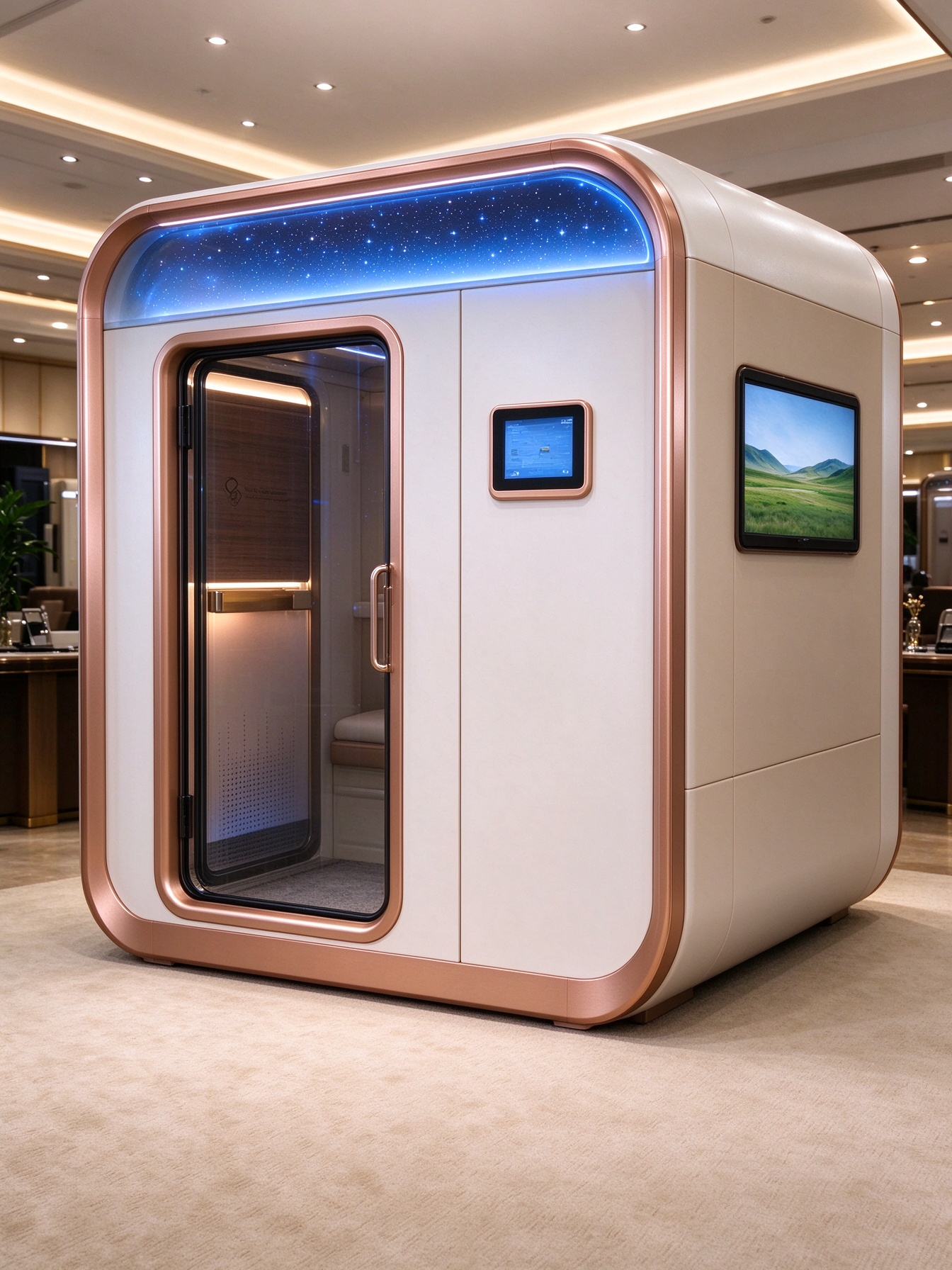
OxyVita professional oxygen chamber manufacturer. Customization and OEM available. View our product
OxyVita professional oxygen chamber manufacturer. Customization and OEM available. View our product & wellness videos here....
-
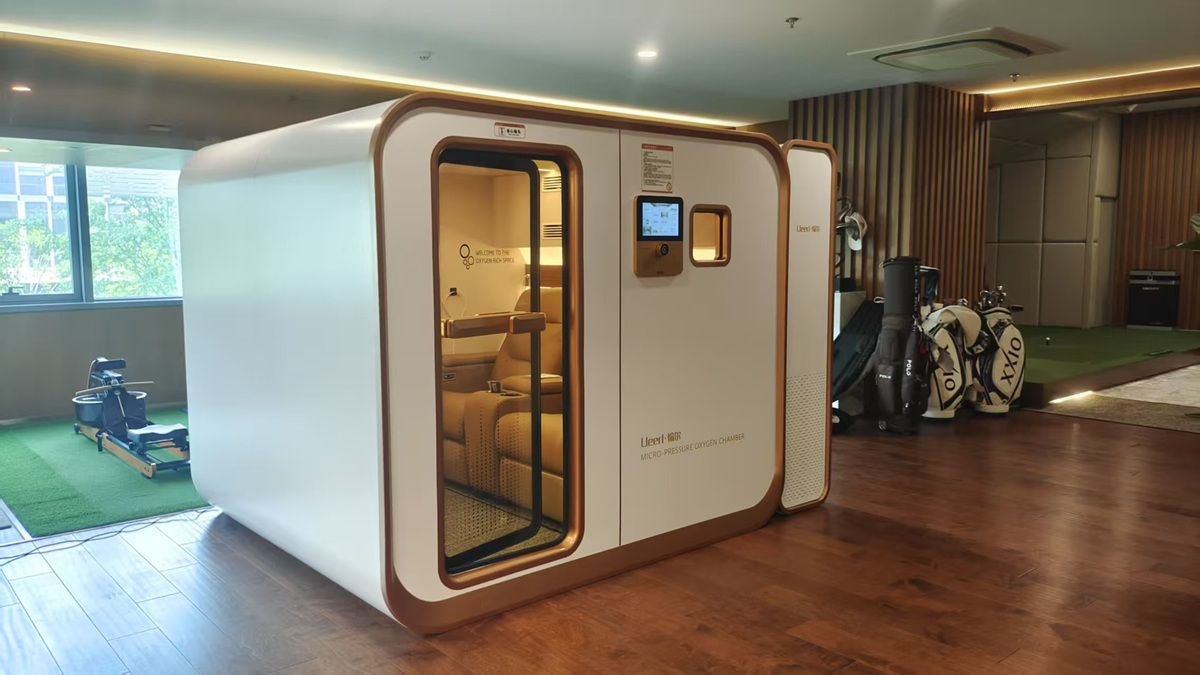
Dual-User Mild Hyperbaric Wellness Oxygen Chamber
Two-person mild hyperbaric oxygen chamber, factory direct supply. Support OEM customization and voltage adaptation for US & Middle East markets. Equipped with automatic pressure relief safety device, easy installation and simple mainten...