


The 2019 Nobel Prize in Physiology or Medicine was awarded to William G. Kaelin Jr., Sir Peter J. Ratcliffe and Gregg L. Semenza for their discovery of how cells sense and adapt to oxygen availability.
The research revealed that cells can sensitively detect oxygen levels in their surroundings. Under hypoxic (low oxygen) conditions, Hypoxia-Inducible Factor (HIF) accumulates inside cells and modulates the expression of more than 300 genes, switching cells to an alternative metabolic pattern to adapt to low-oxygen environments.
Chronic hypoxia is recognized as an important contributor to many diseases. Sustained oxygen deprivation disrupts normal cellular metabolism and increases risks of aging and related illnesses.
This discovery uncovered the fundamental molecular mechanism by which oxygen regulates cellular physiology. It greatly advances our understanding of hypoxia in human physiological and pathological processes and lays a theoretical foundation for oxygen metabolism research.
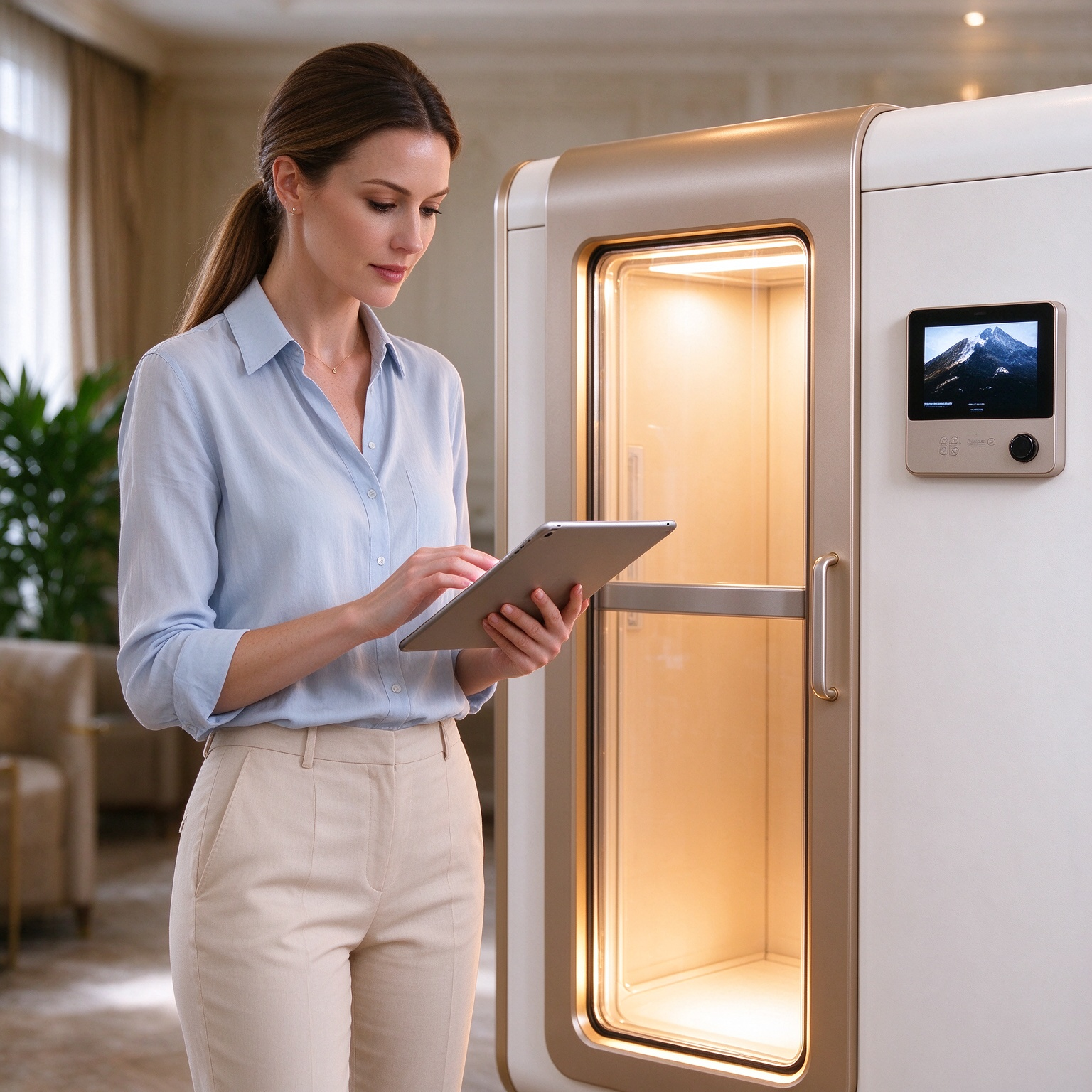 References
AAAS Science Article:https://www.science.org/content/article/medicine-nobel-honors-work-cellular-system-sense-oxygen-levels
Nobel Prize Official Press Release:https://www.nobelprize.org/prizes/medicine/2019/press-release/
Nobel Prize Advanced Scientific Background:https://www.nobelprize.org/prizes/medicine/2019/advanced-information/
DisclaimerThis article introduces the Nobel Prize-winning basic scientific discovery for educational reference only. This fundamental research describes cellular oxygen-sensing mechanisms. It does not constitute product efficacy claims and shall not be used to diagnose, treat or cure any disease.
相关文章
-

Factory Gallery: Workshop & Shipment Photos & Videos
Welcome to view our factory real-scene media. Below are on-site photos and videos of our production workshop, product assembly, finished product inspection, packaging and shipment. These real shots show our production environment, quality c...
-
2019 Nobel Prize in Physiology or Medicine: How Cells Sense Oxygen & Impacts of Hypoxia
The 2019 Nobel Prize in Physiology or Medicine was awarded to William G. Kaelin Jr., Sir Peter J. Ratcliffe and Gregg L. Semenza for their discovery of how cells sense and adapt to oxygen availability.The research revealed that cells can se...
-
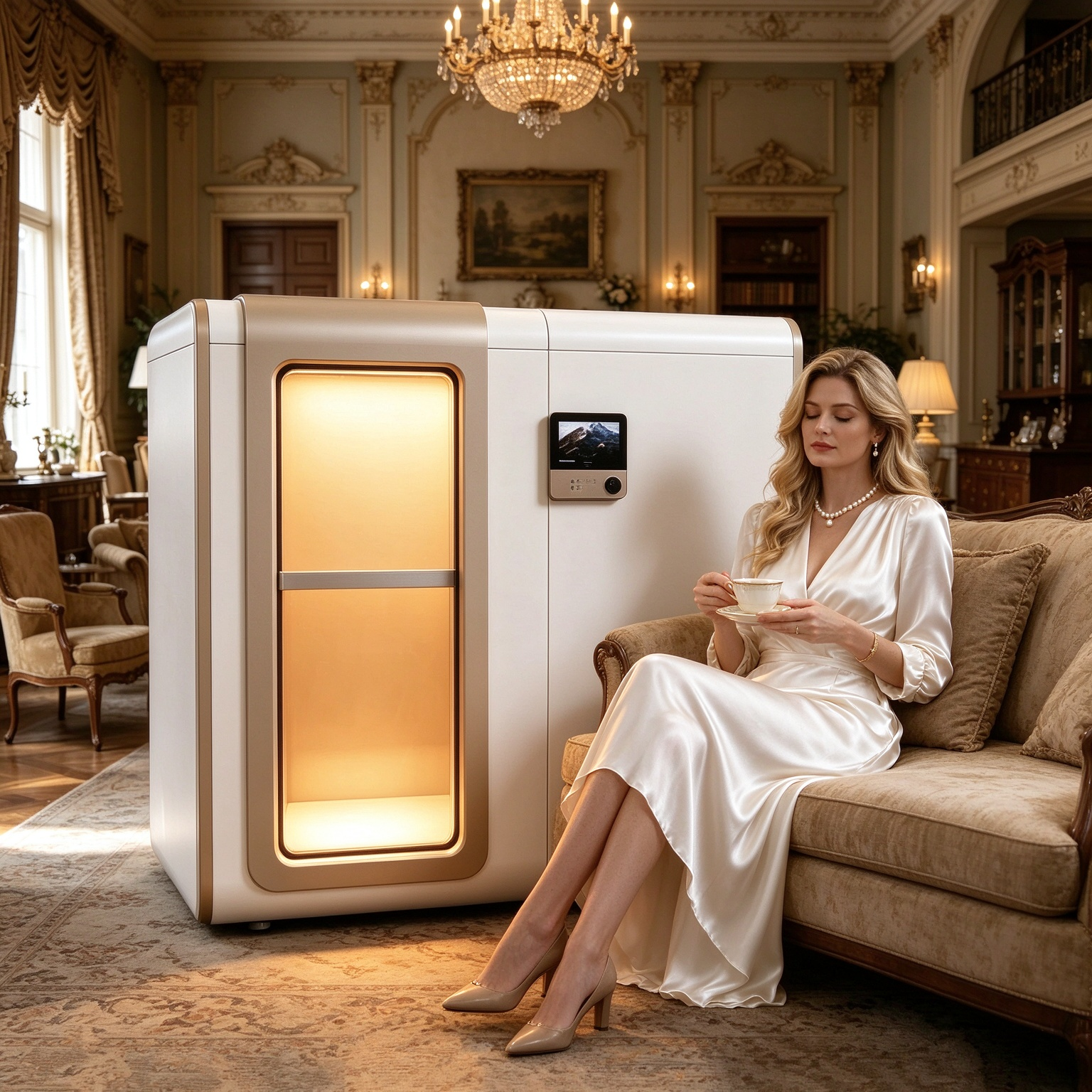
Hyperbaric Oxygen and Cellular Aging Markers: Tel Aviv University 2020 Clinical Study
In 2020, the research team led by Prof. Shai Efrati from Tel Aviv University and Sagol Center for Hyperbaric Medicine and Research at Shamir Medical Center published a prospective clinical trial in the peer-reviewed journal Aging (Albany NY...
-

OxyVita Factory Tour | Real Shot
Professional oxygen chamber factory. We support OEM & customized requirements for global clients. Every chamber is strictly tested before delivery....
-
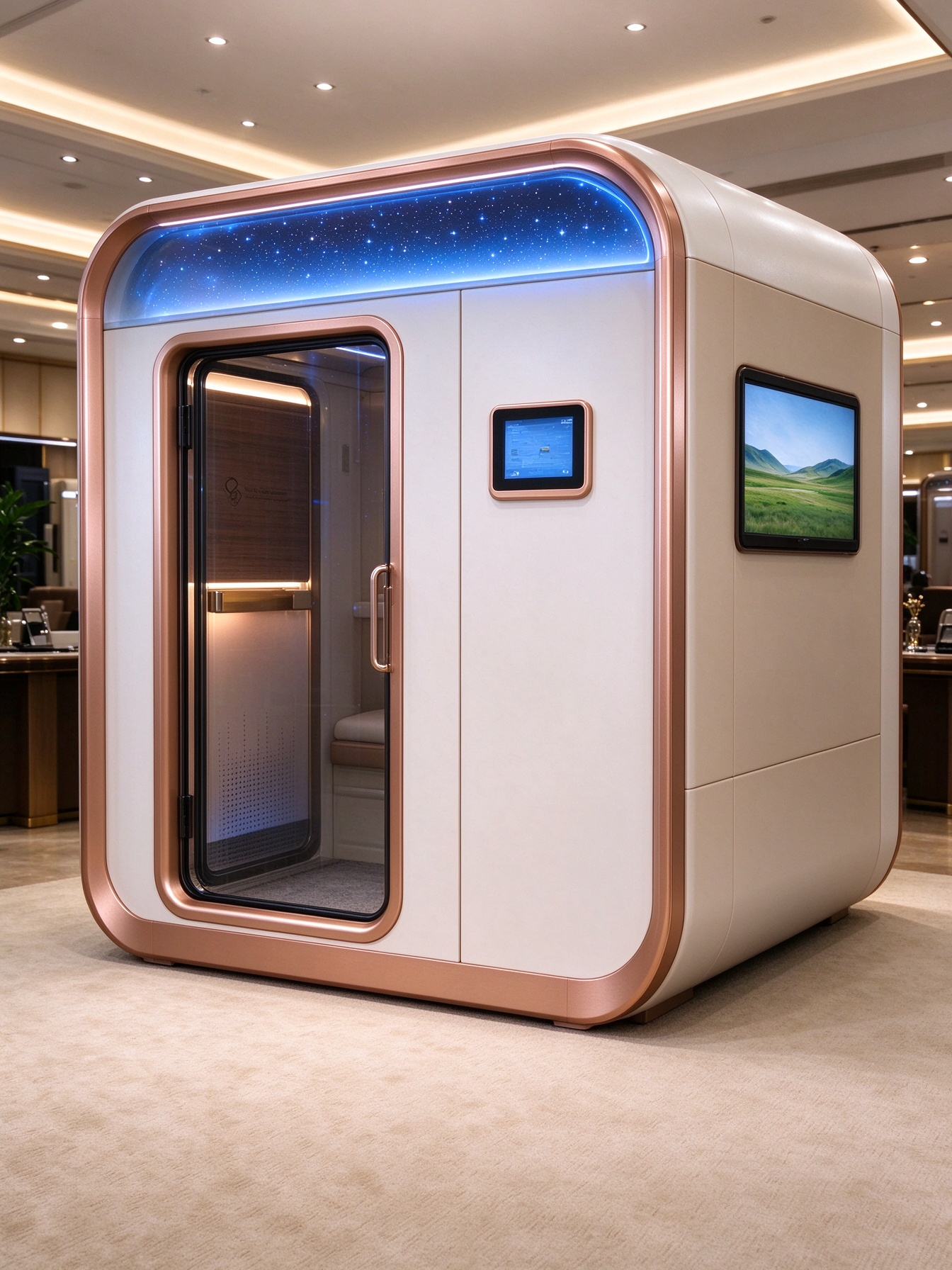
OxyVita professional oxygen chamber manufacturer. Customization and OEM available. View our product
OxyVita professional oxygen chamber manufacturer. Customization and OEM available. View our product & wellness videos here....
-
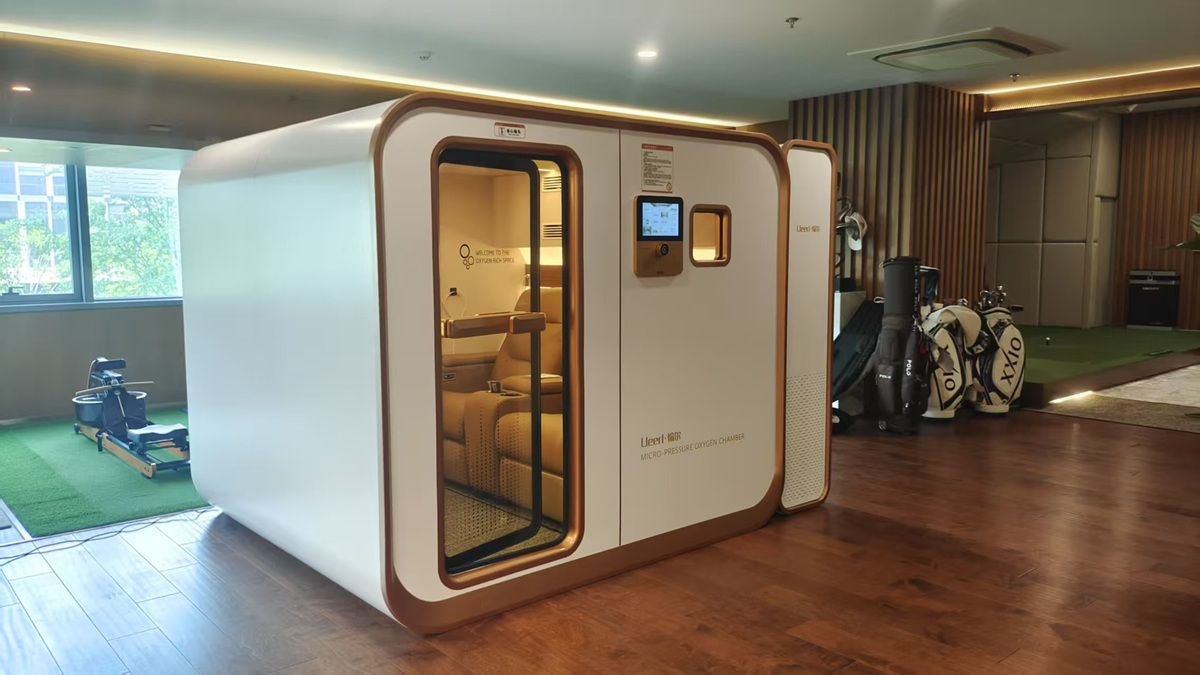
Dual-User Mild Hyperbaric Wellness Oxygen Chamber
Two-person mild hyperbaric oxygen chamber, factory direct supply. Support OEM customization and voltage adaptation for US & Middle East markets. Equipped with automatic pressure relief safety device, easy installation and simple mainten...